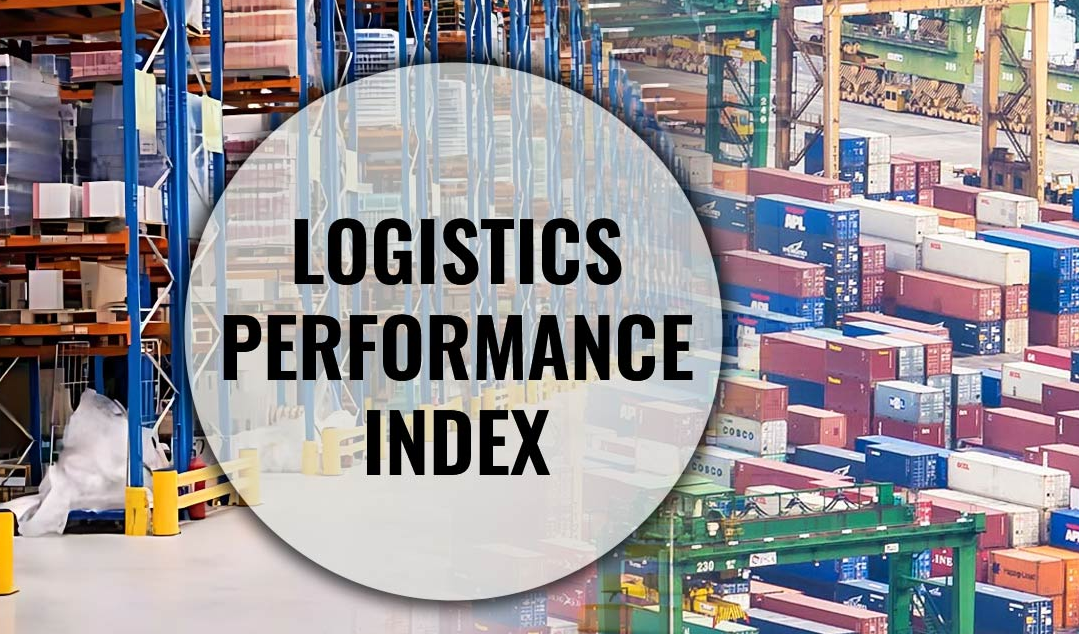
News : The Union Minister of Ports, Shipping and Waterways (MoPSW) has officially introduced the Logistics Port Performance Index (LPPI) for FY2024-25, alongside a suite of major digital advancements aimed at modernizing India's maritime operations.
Comprehensive overview of the newly launched index and initiatives:
Logistics Port Performance Index (LPPI) :
Developed under the Sagar Aankalan framework, the LPPI serves as a national benchmark to measure and elevate the operational efficiency of Indian ports.
-
Assessment Metrics: The index evaluates ports based on critical operational indicators, including cargo handled, vessel turnaround time, berth idle time, pre-berthing waiting time, container dwell time, and ship berth day output.
-
Evaluation Criteria: To encourage consistent growth, the framework gives equal weightage to absolute performance and year-on-year improvements.
-
Strategic Alignment: The LPPI is closely aligned with major national strategies like the PM Gati Shakti National Master Plan, Maritime India Vision 2030, and Maritime Amrit Kaal Vision 2047.
FY2024-25 Port Performance Leaders
The index categorizes port performance across three distinct cargo segments. Here are the top-ranking ports for the current fiscal year:
| Cargo Segment | Top Performing Port | Operational Highlight |
| Dry Bulk | Paradip Port Authority | Handled over 5 million tonnes |
| Liquid Bulk | Sikka Port and Terminals | Emerged as the segment leader |
| Container | Mundra Port | Handled over 0.5 million TEUs |
Highlight: Jawaharlal Nehru Port Authority (JNPA) also demonstrated strong operational efficiency, securing the second position among major container ports.
New Digital and Financial Initiatives
In addition to the LPPI, the government introduced several key modules and financial schemes to streamline maritime logistics and ship recycling:
-
e-Navik Grievance Redressal: A new 24x7 module launched to handle continuous grievance redressal.
-
e-Samudra Upgrades: Introduction of a Ship Registration Module and a Medical Practitioner Module.
-
Ship Recycling Credit Scheme: Backed by the ₹70,000-crore maritime development package (announced in 2025), this scheme incentivizes sustainable recycling. Ship owners using Hong Kong Convention-compliant yards in India will receive a 40% credit note based on the vessel's scrap value. This credit can then be redeemed against new domestic shipbuilding projects.
Sagar Aankalan
The Sagar Aankalan Guidelines have been introduced by the Ministry of Ports, Shipping, and Waterways (MoPSW) to enhance the logistics performance of Indian ports. As part of the PM Gati Shakti National Master Plan (NMP) and National Logistics Policy (NLP), these guidelines aim to improve port efficiency, competitiveness, and service delivery. India’s global maritime standing has improved significantly, with the country moving up to 22nd rank in the World Bank’s Logistics Performance Index (LPI) 2023 for international shipments. To further align with global standards, a Logistics Port Performance Index (LPPI) has been developed for benchmarking Indian ports against international peers. These guidelines will facilitate annual assessments of port logistics, ensuring continuous improvements in operational performance, cargo handling, and sustainability.
Sagar Aankalan Guidelines
The guidelines set out a structured methodology for evaluating port performance based on various Key Performance Indicators (KPIs) such as turnaround time, berth efficiency, cargo handling, and customer satisfaction. The assessment covers both bulk and container cargo categories, with a focus on reducing idle time, increasing berth output, and improving port dwell time. A weightage-based evaluation system has been implemented to ensure fair benchmarking. Additionally, renewable energy usage at ports has been introduced as a key metric to support India’s green port initiatives. The evaluation process involves data normalization, survey-based feedback from stakeholders, and ranking based on operational efficiency. The guidelines also emphasize digital infrastructure, real-time tracking, and logistics transparency to improve overall efficiency. MoPSW will periodically review and update the benchmarking framework based on industry feedback.
Key Highlights
- Annual Performance Benchmarking: All major and non-major ports will be assessed annually based on operational data from April to March.
- Key Metrics: Ports will be evaluated on cargo handled, turnaround time, pre-berthing waiting time, berth efficiency, dwell time, and share of renewable energy use.
- Weightage-based Ranking: Customer satisfaction and renewable energy have higher weightage, while idle time and delays negatively impact rankings.
- Survey-Based Evaluation: Port users, shipping lines, exporters, and logistics service providers will participate in an annual customer satisfaction survey.
- Integration with Digital Infrastructure: Ports will be assessed on digital tracking capabilities, real-time logistics monitoring, and invoicing accuracy.
- Sustainability Measures: The percentage of renewable energy consumption and carbon footprint reduction will be crucial factors in port rankings.
- Continuous Improvement: Ports will be encouraged to implement efficiency enhancement strategies based on benchmarking results.
Conclusion
The Sagar Aankalan Guidelines mark a significant step toward making Indian ports globally competitive by ensuring data-driven performance assessments and continuous improvement strategies. By aligning with international standards, these guidelines will help ports reduce logistics costs, enhance trade efficiency, and adopt sustainable energy solutions. The annual ranking system will encourage ports to improve their performance while fostering healthy competition. The emphasis on customer satisfaction, real-time monitoring, and digital transformation will make Indian ports more efficient, transparent, and globally relevant. With a structured methodology for evaluation and continuous adaptation, these guidelines will play a pivotal role in shaping India's maritime logistics landscape.